
The Spy Agency’s Dilemma
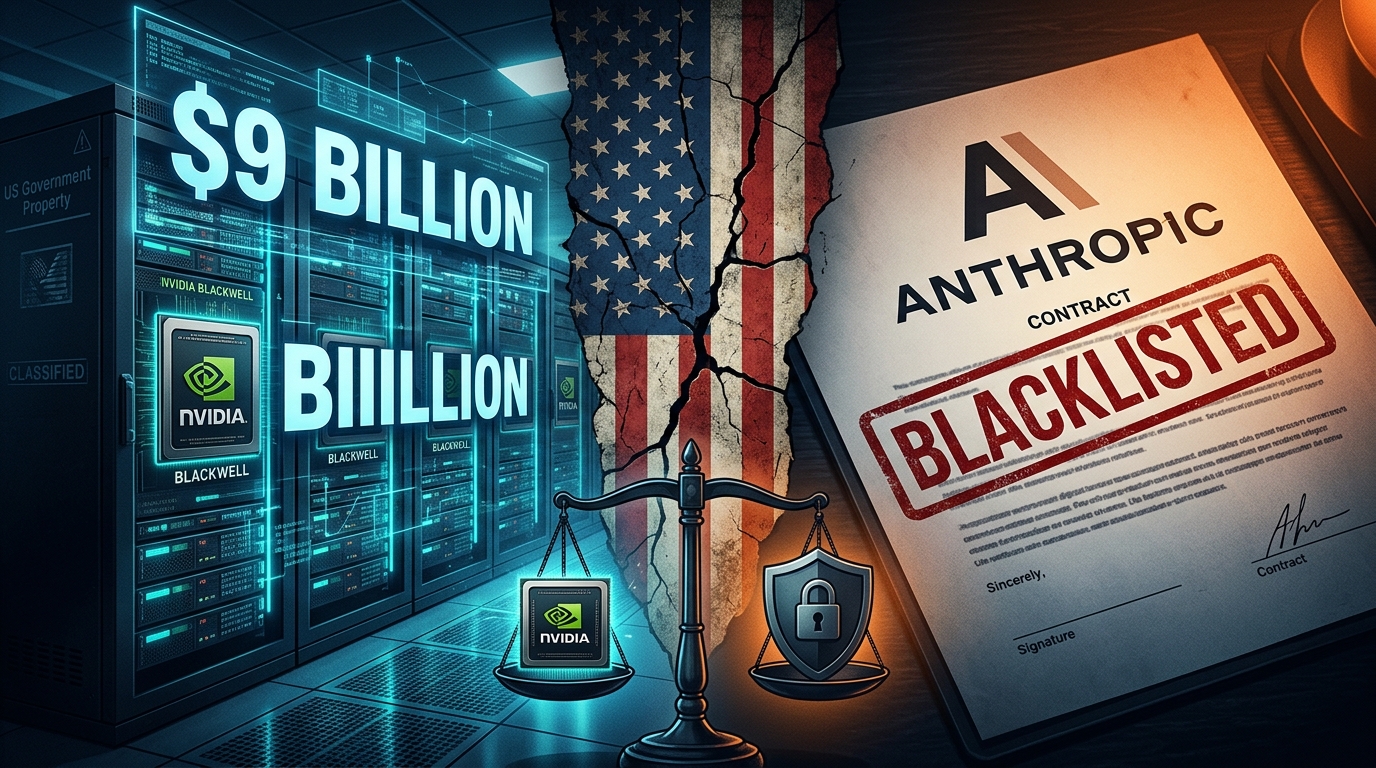
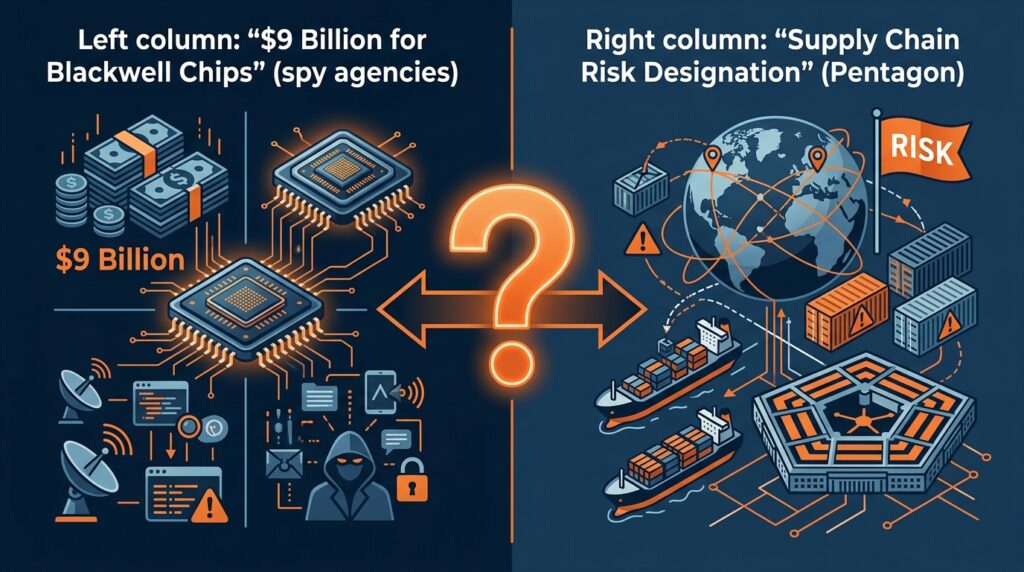
In late May 2026, the White House quietly authorized a secret $9 billion emergency funding request to secure advanced AI chips for America’s spy agencies. The money is meant to build specialized, highly secure federal data centers capable of supporting Nvidia’s Grace Blackwell superchip—cutting-edge hardware needed to run the latest generation of generative AI models on top-secret, classified networks.
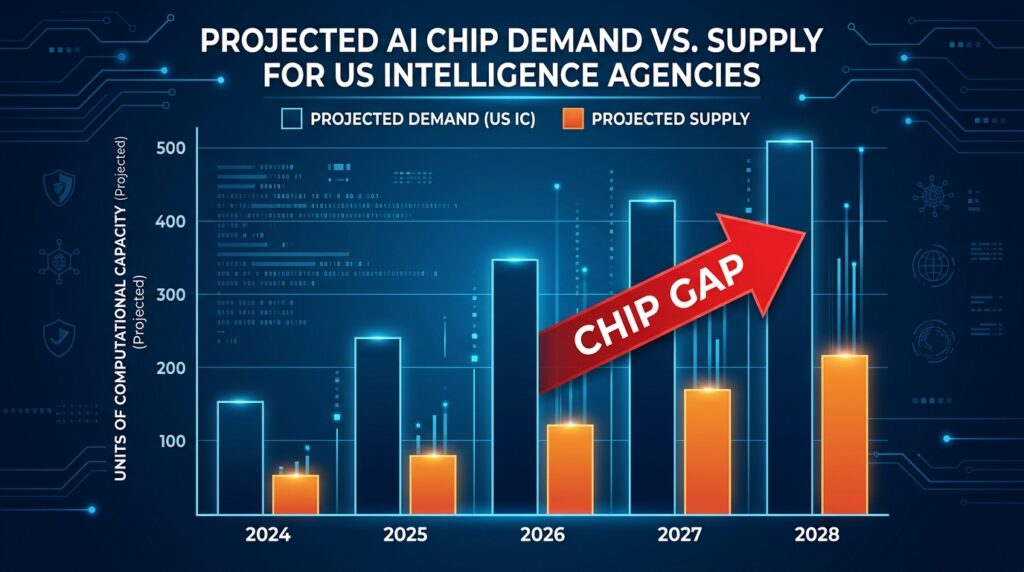
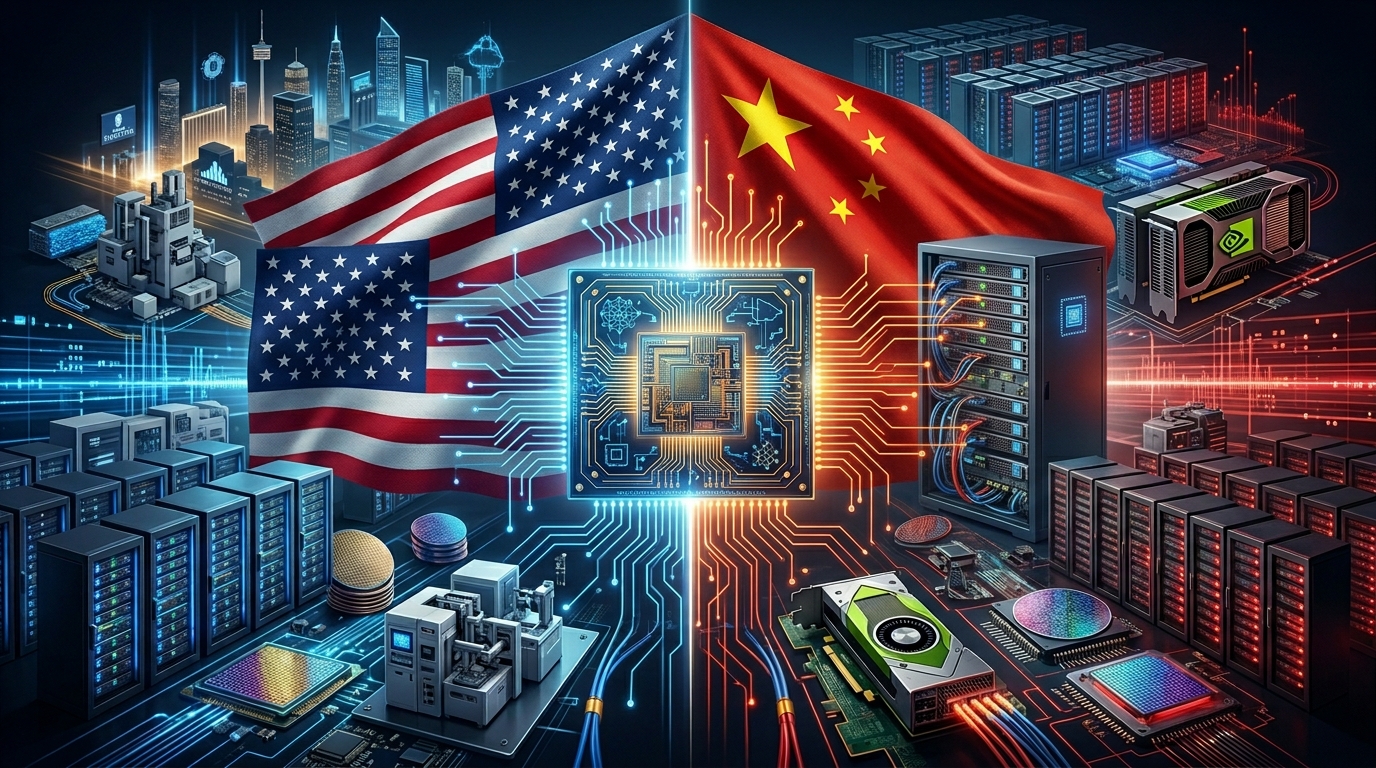
The request was driven by a simple, stark reality: the US intelligence community is being outpaced by the computing demands of modern AI technology, creating a national security gap that China could exploit.
But here is the paradox. To run these chips, spy agencies need the best AI models. And for many tasks, the best model is Claude, made by Anthropic, a San Francisco startup that has been a key partner to the US military since July 2025.
Yet at the same time, the Pentagon has officially designated Anthropic a “supply chain risk to national security,” a label typically reserved for foreign adversaries. The designation effectively bars any company doing business with the US military from using Anthropic’s technology—a potentially fatal blow to a company that relies on government and defense contracts.
This article explains why US spy agencies are forced to rely on a company their own government has blacklisted, how the chip shortage created this impossible situation, and what it reveals about the growing tension between AI ethics and national security.
The $9 Billion Chip Gap – Why Spy Agencies Are Desperate
The core of the crisis is a matter of supply and demand. The latest frontier AI models consume enormous amounts of processing power, more than many technology experts anticipated even a year or two ago. To run them on top-secret, classified networks, the government needs specialized hardware: Nvidia’s state-of-the-art Blackwell chips, which require custom data centers with massive electrical power and specialized liquid cooling systems.
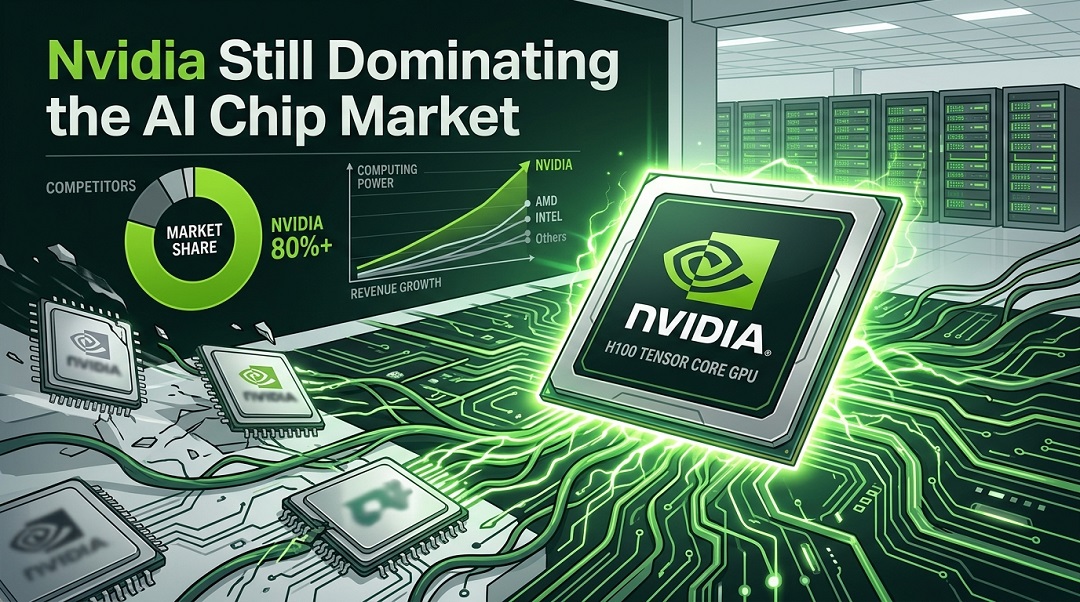
The problem is that the spy agencies are competing with the rest of the world for these chips—and losing. Global demand for AI chips has outstripped supply, causing shortages across consumer electronics, cloud computing, and government. The shortage is especially acute for the Pentagon and intelligence agencies, which simply did not allocate enough funding in past years to build adequate facilities.
The result is a dangerous technological lag. The chip shortfall has hampered the CIA, the NSA, and other agencies from testing or using the newest versions of AI models that require Nvidia’s superchip. This creates a strategic vulnerability: allowing a chip shortage to stall the deployment of AI tools risks letting foreign adversaries, particularly China, seize the computational high ground in global espionage.
The $9 billion budget is an attempt to close that gap. This includes reprogramming $80 million from other government agencies for a more rapid acquisition of computing capacity, though even larger sums will likely be needed in the future.
The Anthropic Paradox – Blacklisted but Indispensable
To work around the chip shortage, White House Chief of Staff Susie Wiles has authorized the NSA to continue using an advanced model made by Anthropic, even though the Pentagon has designated the company a supply chain threat.
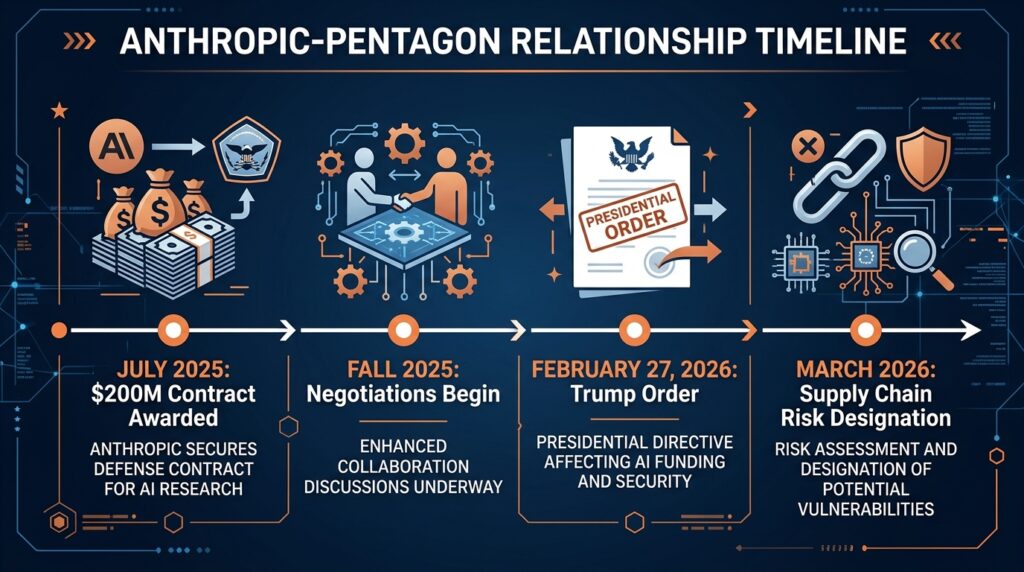
This is not a small exception. Anthropic’s Claude AI had become deeply embedded in military operations. In July 2025, the Department of Defense awarded the company a $200 million contract, making Claude the first frontier AI system approved for use on classified government networks. Claude was subsequently deployed by US military and intelligence personnel for analytical and operational support, including in “Operation Absolute Resolve” earlier this year to capture Venezuela’s former president, Nicolás Maduro.
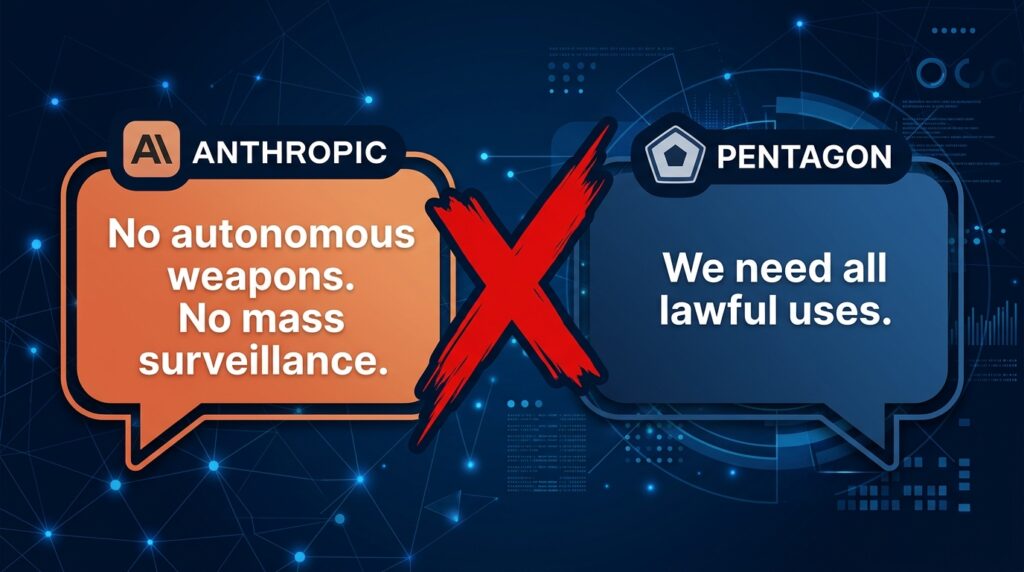
The relationship collapsed during a contract renegotiation. The Pentagon wanted a modification that would allow the department “all lawful uses” for Claude. But negotiations got stuck over Anthropic’s two redlines: concern over AI being used in autonomous weapons and AI’s use in the mass surveillance of US citizens.
Anthropic refused to back down. Its CEO, Dario Amodei, said he could not “in good conscience” accede to the Pentagon’s requests. On February 27, 2026, President Trump directed all federal agencies to immediately stop using Anthropic’s technology. Secretary of Defense Pete Hegseth followed by formally designating Anthropic a “supply chain risk to national security,” a designation that barred any contractor doing business with the military from engaging in any commercial activity with the company.
This decision has been criticized as inconsistent. Critics have pointed out that DeepSeek, despite its ties to China, is not designated a supply chain risk. And the Pentagon has previously described Anthropic’s models as superior to alternatives. “Anthropic is being villainized in a way that these Chinese open-source labs aren’t,” said Brexton Pham, global co-head of AI infrastructure at Cantor Fitzgerald.
But the spy agencies cannot afford to lose access. The new classified contract being finalized with the NSA will include safeguards barring the AI model from being used on Americans’ data, and the White House hopes it will become a template for similar agreements with other companies.
The Redlines – Why Anthropic Wouldn’t Back Down
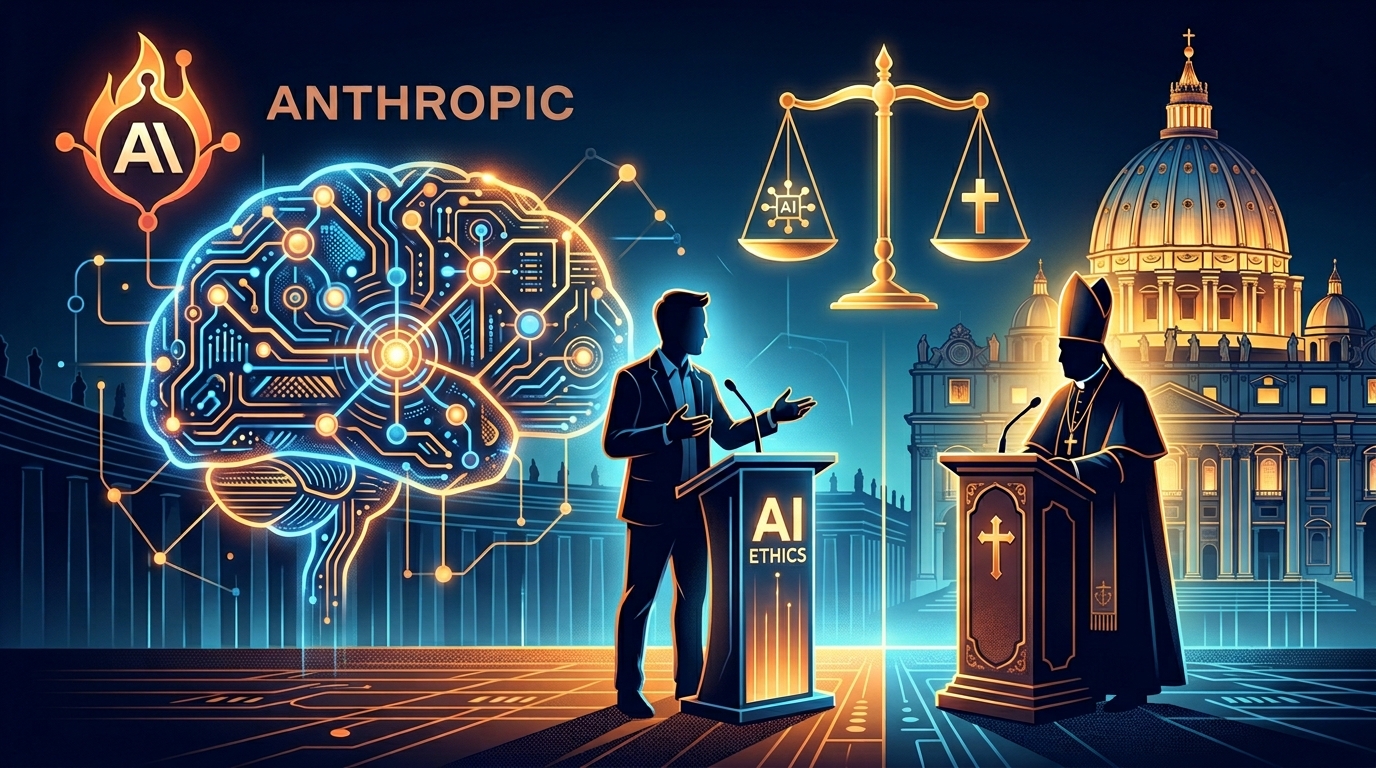
The dispute between Anthropic and the Pentagon is not about money or market share. It is about the ethics of AI in warfare.
Anthropic agreed to provide Claude to the Pentagon without usage restrictions, with two exceptions: Claude would not be used for mass surveillance of US citizens or autonomous lethal weapons. Those redlines intensified after Operation Absolute Resolve, when US officials pushed to expand Claude’s military uses into precisely those areas.
Anthropic’s CEO, Dario Amodei, has long called such uses “illegitimate” and “prone to abuse.” He reportedly told Defense Secretary Pete Hegseth that the company would not comply, while Hegseth insisted on access for all lawful purposes. The standoff proved irreconcilable.
The Pentagon’s position is that it cannot allow a private company to dictate the terms of military operations. “From the very beginning, this has been about one fundamental principle: the military being able to use technology for all lawful purposes,” a senior Pentagon official told CNN. “The military will not allow a vendor to insert itself into the chain of command by restricting the lawful use of a critical capability and putting our warfighters at risk.”
Anthropic argues that the designation violates the First Amendment, contending that the DoD did not blacklist it because of a genuine security risk but because of its expressed views on the ethical limits of AI in warfare. In posts cited by the complaint, President Trump referred to Anthropic as a “RADICAL LEFT WOKE COMPANY,” which the company suggests reveals that the decision was driven by hostility toward its viewpoint rather than legitimate national security concerns.
The company has challenged the designation in court, calling it “unlawful” and arguing that it violates its First and Fifth Amendment rights.
The National Security Risk – Why the Designation Itself Could Backfire
The decision to blacklist Anthropic is not without its own national security risks. The CRS report notes that the designation “may have implications for AI innovation and competition, including at Anthropic and other domestic AI companies.”
First, Claude was the only frontier AI model approved for classified networks. Removing it from DoD use creates a gap in defense AI applications at a moment when the technology is being actively integrated into national security operations. The military has used Claude for longer, meaning training context and efficiency is now at risk, according to experts.
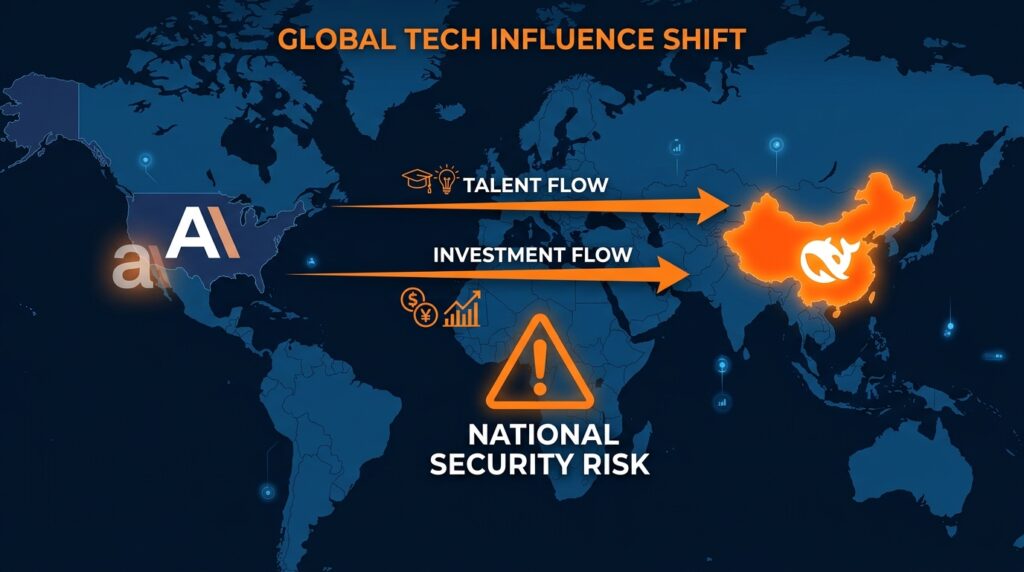
Second, the treatment of Anthropic could have a “chilling effect on innovation,” leaving an opening for Chinese labs with different ethical standards. “This is a failure for the United States,” Cole McFaul, senior research analyst at the Center for Security and Emerging Technology, told Axios.
Third, the inconsistency in US policy could inadvertently favor foreign rivals. If corporations and the government can use Chinese models, but can’t use the top US AI models, that could give China a competitive advantage. DeepSeek’s privacy policy also states that it stores user data on Chinese servers, governed under Chinese law and complying with government requests for data.
The White House hopes that the new classified NSA contract will serve as a template for other agencies, but the underlying tension remains unresolved. It is a question that will likely outlast the current administration: how to balance the need for AI dominance with the ethical constraints that make American AI worth trusting in the first place.
What This Means for the Future of AI Governance
The $9 billion chip request and the Anthropic blacklisting are not isolated events. They are symptoms of a deeper structural problem that the US has yet to resolve.
The Trust Deficit
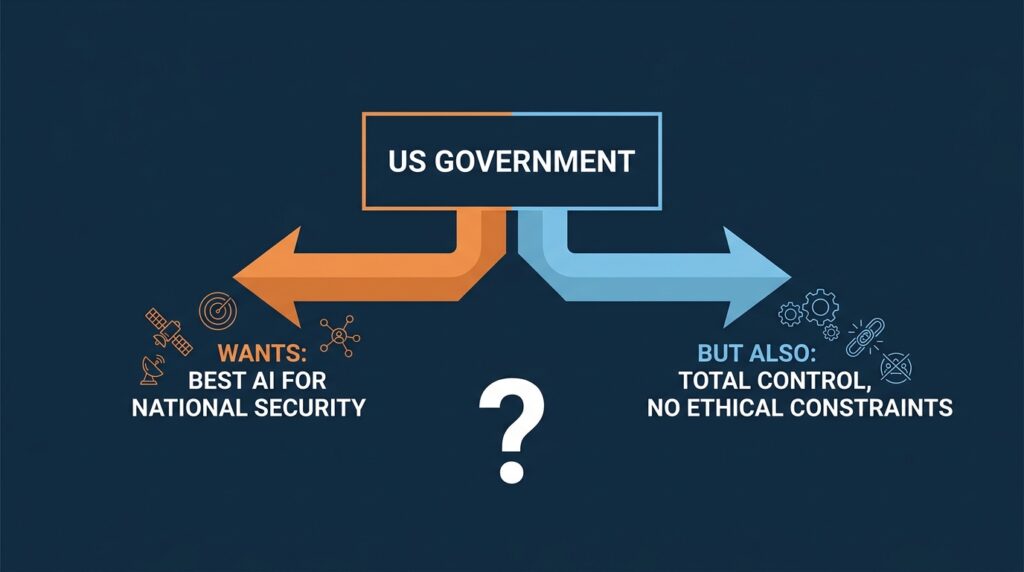
The US government wants to use the best AI models available. But it also wants those models to be completely under its control, without ethical constraints imposed by private companies. This is a fundamental tension that will not go away. Other AI companies are watching. If the government is willing to blacklist a cooperative partner like Anthropic, what will it do to less cooperative ones?
The China Factor
The inconsistency in US policy—blacklisting a domestic AI leader while not designating Chinese models as supply chain risks—could be exploited by Beijing. Chinese AI companies are already gaining market share in Asia and Europe, and the US government’s treatment of its own AI industry could accelerate that trend.
The Congressional Response
Bipartisan members of the Senate Armed Services Committee are reportedly planning to address AI vendor and government contracting questions in the annual National Defense Authorization Act, with the Anthropic dispute serving as a direct catalyst. Congress may also want to review the underlying statutory authority DoD used to make the designation, particularly as it applies to domestic companies.
For Democrats, the episode offers a line of attack on an administration they argue is governing erratically on technology policy. For Republicans, the situation is more complicated, caught between loyalty to the administration and support for American industry.
Frequently Asked Questions (FAQ)
Q1: Why does the US government need 9 billion for AI chips?
A: The $9 billion is dedicated to building specialized, secure federal data centers and acquiring those highly demanded AI chips to run advanced models on classified networks.
Q2: Why is Anthropic considered a “supply chain risk”?
A: The Pentagon designated Anthropic a supply chain risk after the company refused to allow its Claude AI to be used for autonomous weapons or mass surveillance of US citizens. The Pentagon wanted “all lawful uses” without restrictions; Anthropic refused.
Q3: If Anthropic is blacklisted, how can the NSA still use its models?
A: The White House authorized an exception for the NSA to continue using Anthropic’s models to work around the chip shortage. A new classified contract is being finalized that includes safeguards barring the AI model from being used on Americans’ data.
Q4: Is this legal?
A: Anthropic has filed a lawsuit challenging the designation, arguing it violates the First and Fifth Amendments. The company contends that the DoD blacklisted it not because of a genuine security risk, but because of its views on the ethical limits of AI in warfare.
Q5: What does this mean for other AI companies?
A: The dispute could have a chilling effect on AI innovation, as other companies may fear similar treatment if they impose ethical restrictions on government use. It also opens the door for Chinese AI labs to gain a competitive advantage.
Q6: How does the chip shortage affect consumer electronics?
A: The demand for AI chips has constrained supply for consumer electronics such as smartphones, personal computers, and gaming consoles, causing price spikes and shortages.
Q7: What is the “mythos” model?
A: Anthropic’s new model, known as Mythos, runs more efficiently on advanced chips but can also run on a previous generation of chips. It is part of the reason the NSA wants to maintain access to Anthropic’s technology.
Q8: Could Congress step in to resolve this?
A: Yes. Bipartisan members of the Senate Armed Services Committee are planning to address AI vendor and government contracting questions in the annual National Defense Authorization Act, with the Anthropic dispute serving as a direct catalyst.
Conclusion – A House Divided Against Itself
The $9 billion chip request and the Anthropic blacklisting are two sides of the same coin. One acknowledges that the US cannot win the AI race without the best models and hardware. The other punishes the very company that provides them.
The paradox is not merely ironic. It is dangerous. A government that cannot reconcile its need for AI with its fear of it will struggle to lead. And a company that is blacklisted for its ethics may stop seeing itself as a partner.
The AI age demands coherence: between security and liberty, between dominance and trust. The US has the best technology in the world. But if it cannot decide how to use it or who to trust with it, that lead will not last.
References & Further Reading
- The New York Times – “Spy Agencies Face A.I. Chip Shortage”
- Newsmax – “WH Pushes $9 Billion AI Chip Plan for Spy Agencies”
- Northwest Arkansas Democrat-Gazette – “White House clears $9B for spy agencies’ AI chips”
- Times of India – “How US government’s chip shortage problem may be ‘good news for’ Anthropic”
- Axios – “Anthropic ‘supply chain risk’ designation could favor China”
- CNN – “Pentagon’s supply chain risk label for Anthropic narrower than initially implied”
- Syracuse Law Review – “When AI Ethics Collide with National Security”
- Legis1 – “U.S. Blacklists Anthropic From Defense Contracts”
- CRS Report – “Anthropic and the Department of War Supply Chain Risk Designation”




Leave a Reply