
Last updated: May 10, 2026 | Reading time: 11 minutes
Introduction – The Moment AI Learned to Spend Money
For years, artificial intelligence could answer questions, write code, and even create art. But one thing it could not do: spend money. Every API call, every software purchase, every cloud resource had to be approved and paid for by a human.
That changed today.
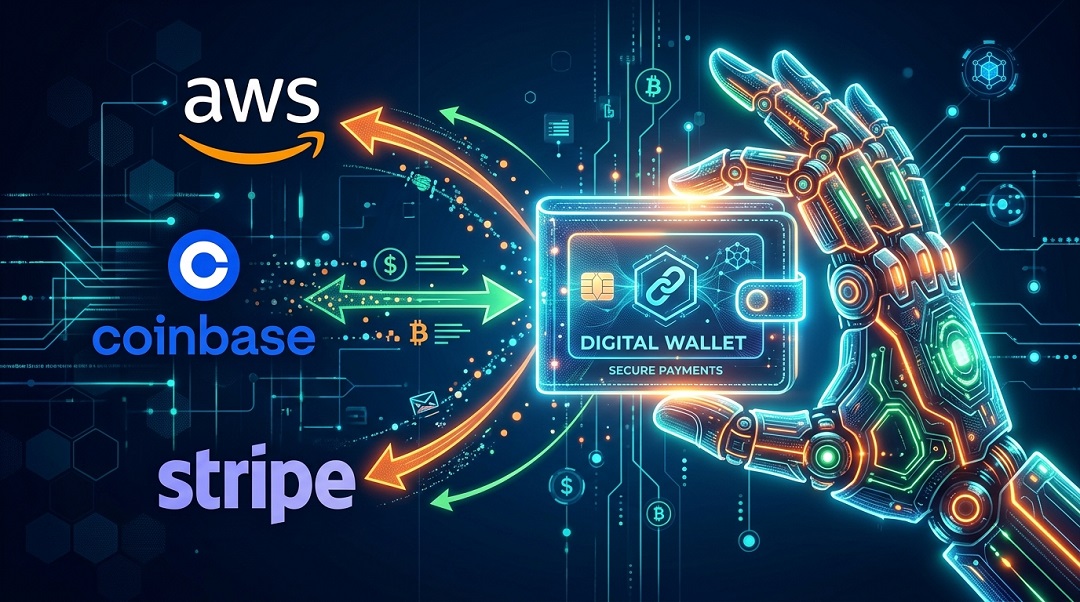
Amazon Web Services (AWS), Coinbase, and Stripe jointly announced Amazon Bedrock AgentCore Payments – a new infrastructure layer that allows AI agents to independently purchase APIs, web content, cloud compute, and other digital services in real time using stablecoins.
For the first time, an AI agent can:
- Recognize it needs additional data or compute.
- Authorize a micro‑payment from its own cryptographic wallet.
- Complete the transaction without human intervention.
- Receive the service and continue its task.
This is not a demo or a white paper. It is live infrastructure, built on Amazon Bedrock’s agent orchestration, Coinbase’s custody and on‑ramp services, and Stripe’s payment rails.
This article explains why this is a seismic shift – what problem it solves, how it works, the risks, and why every business with AI agents needs to pay attention.
Quick Summary – What Every Business Leader Needs to Know
| Question | Answer |
|---|---|
| What is AgentCore Payments? | A new service within Amazon Bedrock that allows AI agents to make autonomous, real‑time payments using stablecoins. |
| Who built it? | AWS (orchestration), Coinbase (wallet infrastructure & stablecoin custody), Stripe (payment processing & merchant settlement). |
| What problem does it solve? | Today, agents hit walls when they need to purchase data, APIs, or compute. Humans must approve every spend. This eliminates that friction. |
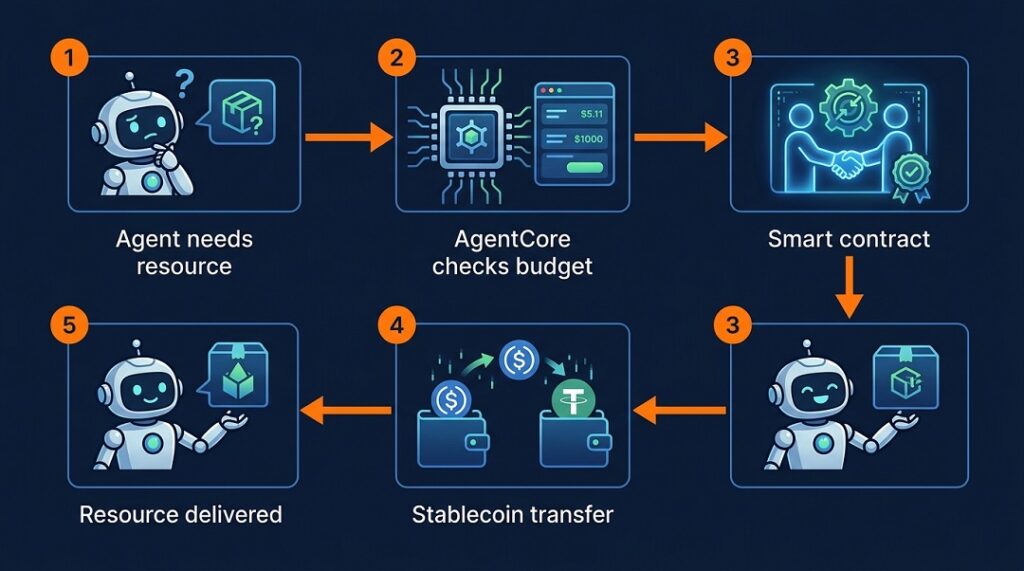
| How does it work? | Agent requests a resource → AgentCore checks budget → triggers smart contract → stablecoin transfer → resource delivered. |
| Is it safe? | Agents operate within programmable budgets, spending limits, and whitelisted merchant lists. Every transaction is logged and reversible (within limits). |
| When can I use it? | Available today in preview for Bedrock customers in the US and select EU markets. General availability expected Q3 2026. |
1. The Problem – Why AI Agents Hit a Wall Without Wallets
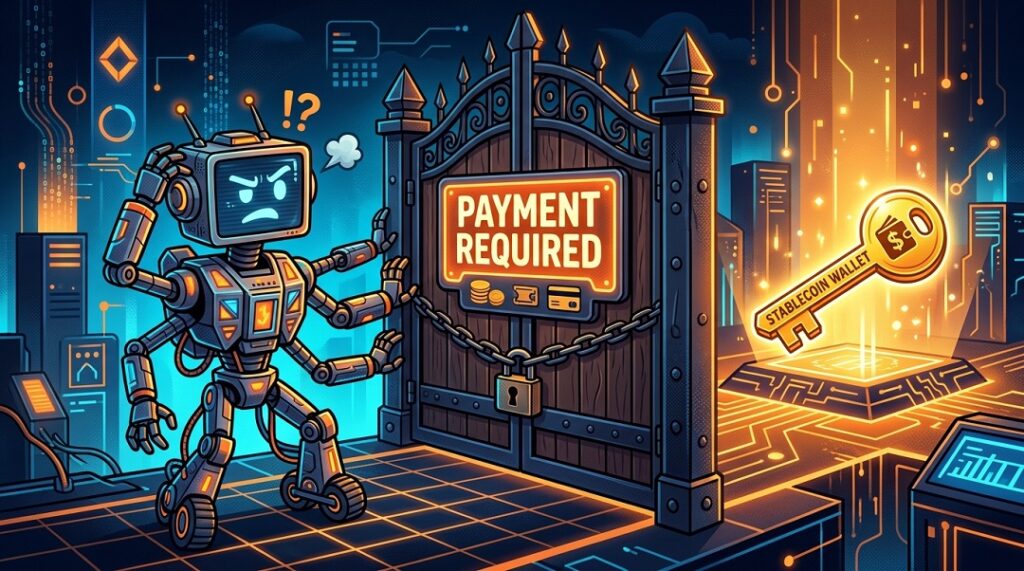
Today’s AI agents are powerful but crippled. Consider a realistic example:
An e‑commerce agent is tasked with finding the best price for a product across 50 retailers. It finds that 10 retailers require a small API fee to access real‑time inventory. Without the ability to pay, the agent either:
- Fails the task.
- Or must ask a human to manually approve each API purchase (defeating the purpose of automation).
This is the “last‑mile payment problem” for autonomous systems. It affects:
- Research agents that need to purchase academic papers or datasets.
- Cloud optimization agents that could bid for spot instances across providers.
- Content creation agents that need to license images or music.
- Supply chain agents that need to reserve warehouse slots or shipping lanes.
Until now, the only solution was to pre‑fund a corporate account or use human‑in‑the‑loop approvals. Both add latency, cost, and friction.
2. The Solution – AgentCore Payments Architecture
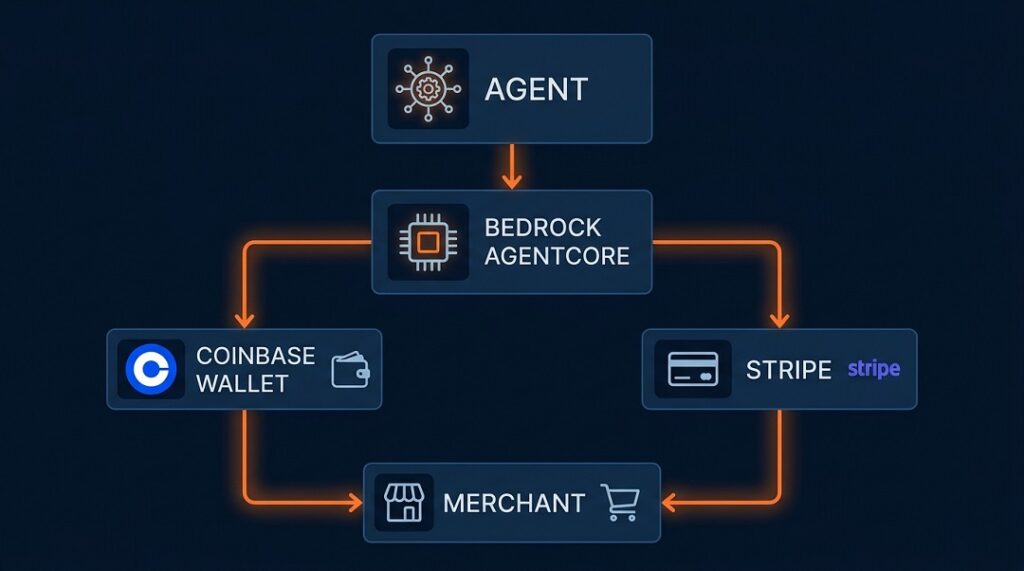
Amazon Bedrock AgentCore Payments consists of three integrated layers:
A. Agent Orchestration (AWS Bedrock)
- The agent declares a need (e.g., “purchase access to weather API for 2 hours”).
- Bedrock’s agent framework evaluates the request against pre‑set budgets and policies.
- If approved, it initiates a payment request to the payment layer.
B. Cryptographic Wallet & Stablecoin (Coinbase)
- Each agent (or agent fleet) has a programmable wallet on Coinbase’s custody infrastructure.
- Wallets are seeded with a budget (e.g., $100/day) funded by the enterprise.
- Payments are made in USDC or other stablecoins – instant, low‑fee, and globally accessible.
C. Merchant Settlement (Stripe)
- Merchants (API providers, data sellers, cloud services) receive the stablecoin payment via Stripe.
- Stripe handles conversion to local currency if needed, and provides receipts and reconciliation.
Key Innovation: Programmable Budgets
Companies can set granular rules:
- “Agent can spend up to $5 per transaction”
- “Only whitelisted merchants (e.g., Weather.com, Databricks Marketplace)”
- “Require human approval for any spend > $100”
- “Audit all transactions in real time”
3. Why Now? The Convergence of Three Trends
AgentCore Payments didn’t emerge from nowhere. It is the product of three converging trends:
A. The Explosion of AI Agents
By 2026, enterprises are deploying millions of autonomous agents – from simple browser automators to complex multi‑step researchers. Each agent creates dozens of potential payment moments per day. Manual approval is no longer possible.
B. Maturity of Stablecoin Infrastructure
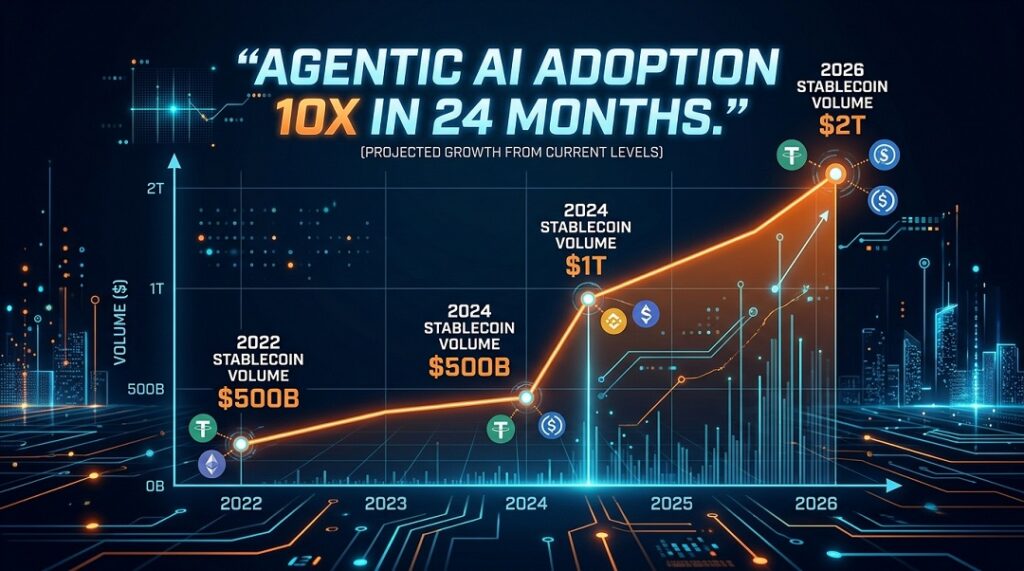
Stablecoins (USDC, DAI) have become mainstream. They offer instant settlement, near‑zero fees, and programmability via smart contracts. Coinbase alone processes over $1 trillion annualized in stablecoin volume.
C. Hyperscaler Competition
AWS is locked in a three‑way battle with Microsoft and Google over AI workloads. By enabling agentic payments, AWS makes its platform stickier: once you build agents that pay via Bedrock, switching becomes costly.
4. Real‑World Use Cases – Where This Changes Everything
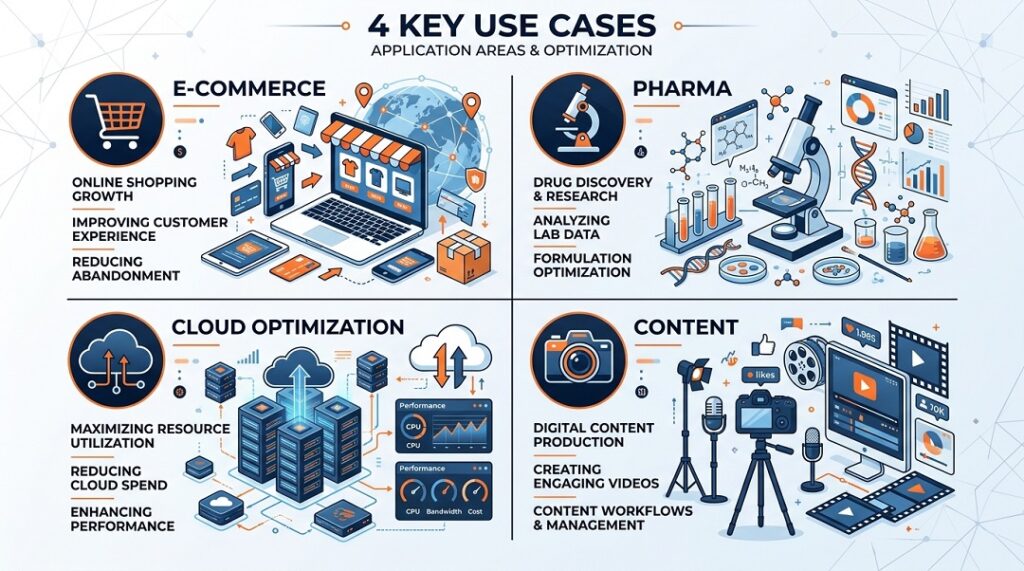
E‑Commerce & Price Optimization
An agent monitors 50 competitor sites for a specific product. When it finds a lower price, it automatically purchases a small data subscription from a third‑party inventory API, verifies the deal, and alerts the purchasing team – all within seconds.
Research & Development
A pharmaceutical agent continuously scans medical journals, pre‑print servers, and patent databases. When it identifies a relevant new paper behind a paywall, it autonomously pays the $15 access fee, downloads the PDF, and incorporates its findings into a research summary.
Cloud Cost Optimization
An agent monitors spot instance prices across AWS, Azure, and GCP. When it predicts a price drop on GCP, it authorizes a small payment to reserve capacity, then migrates a batch job – saving the company 40% on compute costs.
Content Licensing
A marketing agent generates a blog post and needs a hero image. It searches stock photo APIs, finds an appropriate image for $5, pays immediately, and licenses it – all without a human opening a credit card.
5. Risks and Mitigations – The Dark Side of Agent Spending
Autonomous spending is powerful – and dangerous. Without guardrails, an agent could:
- Waste budget on useless APIs.
- Fall for phishing merchants.
- Enter infinite spending loops.
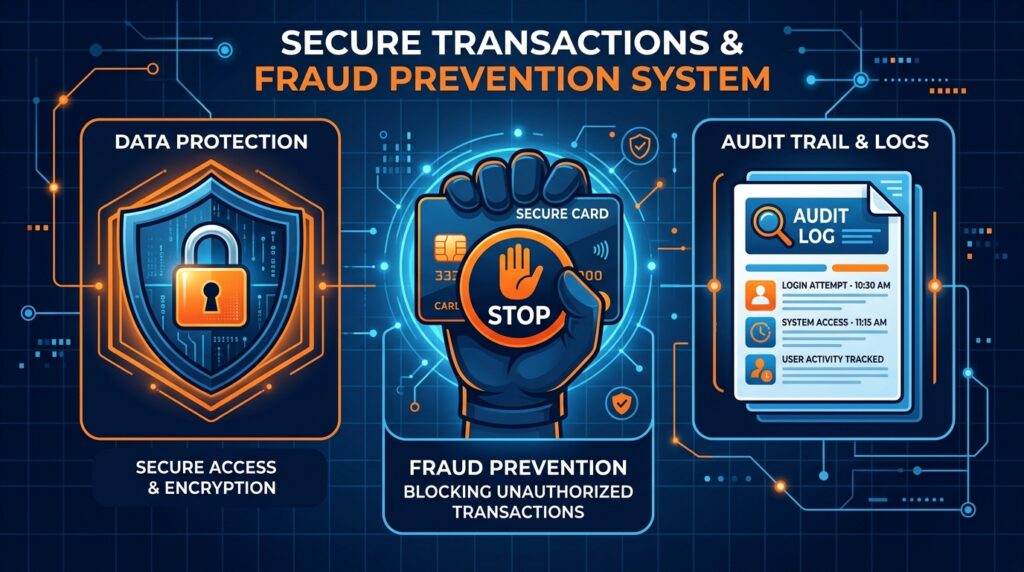
AgentCore Payments includes three safety layers:
| Risk | Mitigation |
|---|---|
| Budget blowout | Hard daily/monthly caps. Agent cannot exceed. |
| Unauthorized merchants | Whitelist‑only or allow‑list‑only modes. |
| Runaway agent loops | Transaction rate limits; human kill switch. |
| Stablecoin volatility | USDC is pegged 1:1 USD. Minimal volatility. |
| Regulatory compliance | KYC/AML on wallet creation; transaction reporting to enterprise compliance systems. |
Additionally, every transaction is logged and can be rolled back (within settlement windows) for fraud or error.
6. Competitive Response – What Will Microsoft and Google Do?
AgentCore Payments is a shot across the bow. Expect rapid responses:
| Competitor | Likely Countermove |
|---|---|
| Microsoft Azure | Partner with a payment provider (Circle? PayPal?) to integrate with Semantic Kernel agents. Possibly leverage its existing OpenAI relationship. |
| Google Cloud | Use its blockchain node engine and partnership with Coinbase (already exists) to offer similar functionality. May focus on integration with Vertex AI agents. |
| Independent neoclouds (CoreWeave, Lambda) | More focused on compute; payments may be less urgent. But they could partner with Stripe directly. |
The long‑term winner will be the platform that makes agent payments invisible, safe, and cheap. AWS has a first‑mover advantage, but the game is just beginning.

7. The Future – What Comes After AgentCore Payments
This is not the end; it is the beginning of the agentic economy – where billions of autonomous agents transact with each other and with humans.
Near term (12‑18 months):
- Agents paying other agents for services (e.g., a data agent paying a compute agent).
- Decentralized agent marketplaces.
- Agent‑managed treasuries (agents earning revenue and reinvesting).
Medium term (2‑3 years):
- Legal personhood for agents? (Some jurisdictions are already exploring.)
- Agent‑initiated contracts and smart legal agreements.
- Micro‑insurance for agent transactions.
Long term (5+ years):
- Agent‑owned wallets, not just company‑owned.
- Autonomous agent companies (DAOs run entirely by AI).
- Macroeconomic impact: agents could become significant economic actors.
Frequently Asked Questions (FAQ)
Q1: Is AgentCore Payments available to all AWS customers?
A: Today, it is in preview for Bedrock customers in the US and select EU markets. General availability is expected in Q3 2026.
Q2: Do I need to use Coinbase or Stripe separately?
A: No. The service is integrated into Bedrock. You set up a corporate wallet once, and agent payments are automatically routed.
Q3: What stablecoins are supported?
A: Initially, USDC (issued by Circle, fully reserved). Other stablecoins may be added later.
Q4: Can my agent spend my personal money?
A: No. The wallet is owned and funded by the enterprise. Personal agents (for consumers) are not supported in this release.
Q5: How do I prevent my agent from spending my entire budget on useless things?
A: Use budget caps, whitelists, rate limits, and approval workflows. You can also set up alerts for unusual spending patterns.
Q6: What happens if an agent makes an unauthorized purchase?
A: Transactions are reversible within a short window (e.g., 5 minutes). After that, it’s final. This is a key reason to start with small budgets and strict limits.
Q7: Is this related to your article on “Shadow AI”?
A: Indirectly. Shadow AI is about employees using unapproved tools. Agentic payments can actually reduce Shadow AI by giving IT visibility into every agent transaction. Instead of employees using personal credit cards, they use corporate wallets with full audit logs.
Q8: How does this affect the cost of AI agents?
A: Initially, it adds a small transaction fee (Stripe + Coinbase). But by automating purchases that humans would otherwise do manually, it can dramatically reduce overall labor costs.
Q9: Will this work with on‑premises agents?
A: The agent must be hosted on Bedrock or call Bedrock APIs. AgentCore Payments is not available for standalone agents outside AWS.
Q10: How do I get started?
A: Contact your AWS account team. Enable the Bedrock AgentCore Payments preview, set up a Coinbase corporate wallet, and start experimenting with low‑stakes use cases (e.g., paying for a weather API).
Conclusion – The Dawn of the Agentic Economy
The announcement of Amazon Bedrock AgentCore Payments is more than a feature update. It is a permission slip for the next phase of AI: autonomous economic agency.
For the first time, an AI can recognize value, negotiate a price, and complete a transaction – all without human approval. This will unlock millions of use cases previously too small or too numerous for manual payment.
But with great power comes great responsibility. Enterprises must implement guardrails: budgets, whitelists, and audit trails. Agents are not yet ready to manage unlimited funds.
Still, the direction is clear. In five years, we will look back at today as the moment AI stopped being a tool and started being an economic actor. The agentic economy has begun.

References & Further Reading
- AWS News Blog – “Announcing Amazon Bedrock AgentCore Payments (Preview)” (May 10, 2026)
- Coinbase – “Enabling the Agentic Economy with Programmable Wallets” (May 10, 2026)
- Stripe – “Payments for Autonomous Agents” (May 10, 2026)
- TechCrunch – “AWS, Coinbase, Stripe join forces to give AI agents wallets” (May 10, 2026)
- The Information – “The $700B AI Infrastructure Boom” (April 2026)
If you found this explainer useful, check out our related articles:
👉 Shadow AI: Why Employees Are Secretly Using ChatGPT (And Why It’s Dangerous)
👉 Why Akamai (a CDN Company) Is Winning Billion‑Dollar AI Cloud Deals
👉 Why Google, Microsoft, and Amazon Are Building Their Own AI Chips (6 Reasons)
📬 Subscribe to ExplainThisTech for more “why” breakdowns of the technology shaping our world.


Leave a Reply