
Last updated: May 18, 2026 | ⏳ Reading time: 10 minutes
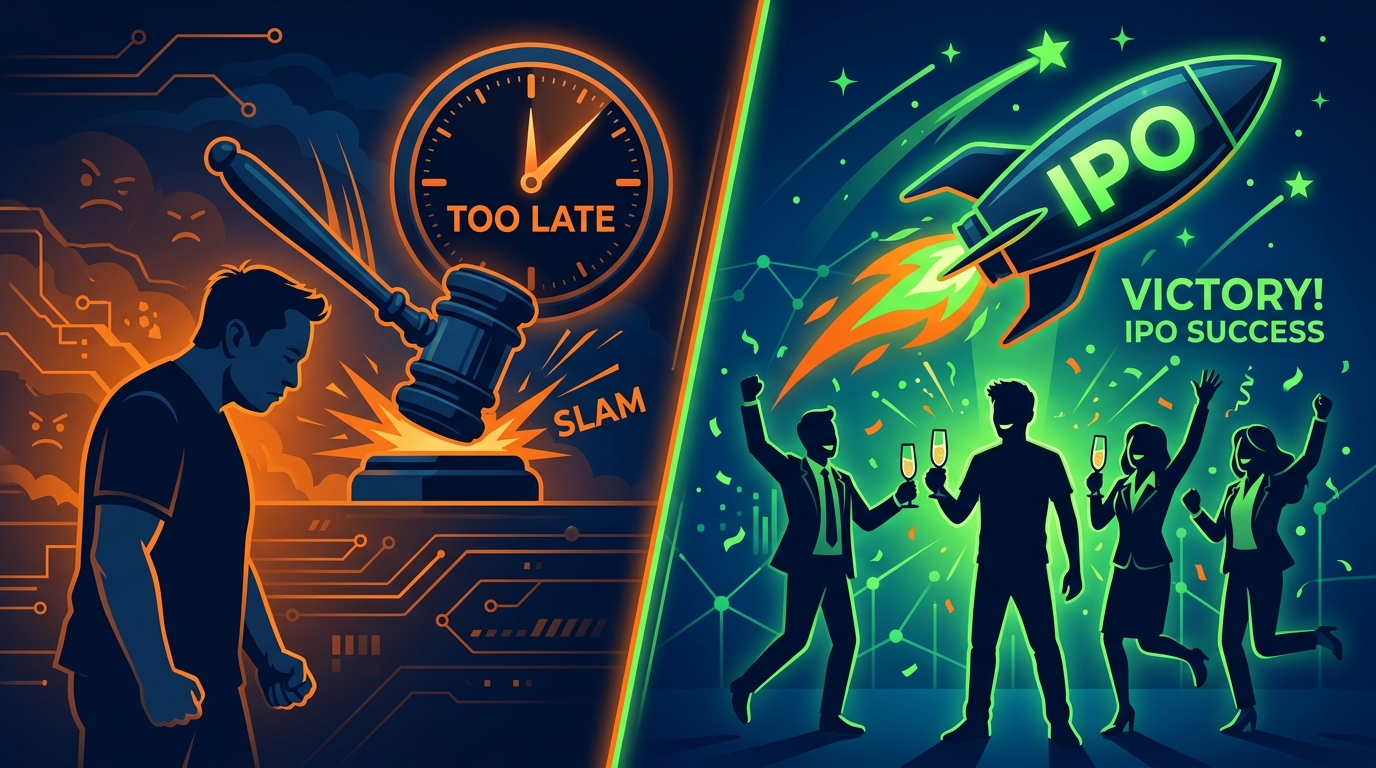
A unanimous federal jury delivered a swift and decisive verdict in what has been called the “AI trial of the century”. After less than two hours of deliberation, jurors sided with OpenAI and Sam Altman, rejecting Elon Musk’s $150 billion lawsuit. U.S. District Judge Yvonne Gonzalez Rogers accepted the non-binding advisory verdict and dismissed all claims.
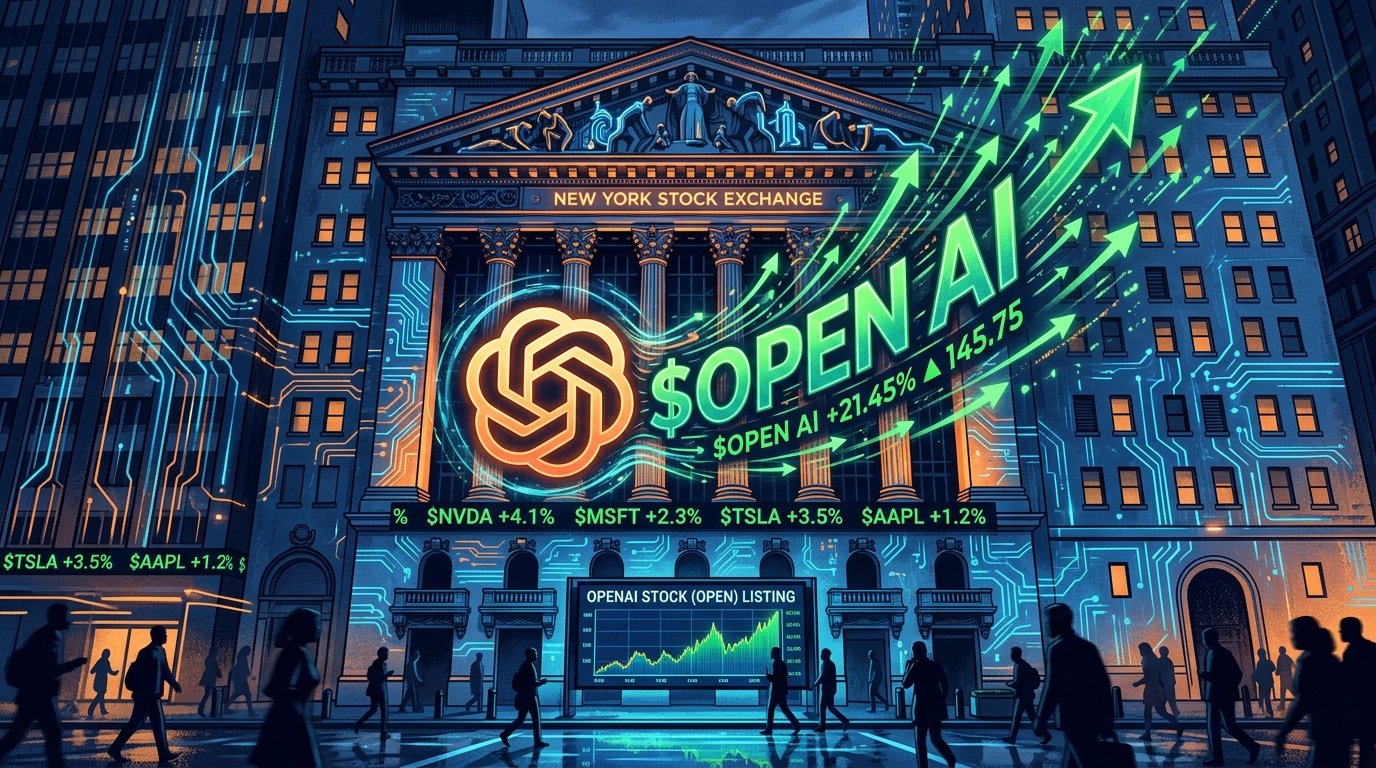
The verdict preserves the status quo in Silicon Valley’s AI race. Altman is now free to solidify his control as OpenAI barrels toward one of the largest initial public offerings in history.
This is the definitive explainer of why Musk sued, why the jury dismissed the case, what it means for AI, and what happens next.
The Lawsuit, Explained: What Elon Musk Claimed
Musk sued OpenAI, CEO Sam Altman, and President Greg Brockman in 2024, alleging they breached a non-profit contract and unjustly enriched themselves.
Musk’s Core Allegations:
- “Stealing a Charity”: Musk argued Altman manipulated him into donating $38 million early on, then reneged on OpenAI’s non-profit mission and attached a massive for-profit commercial venture.
- Breach of Trust: He accused them of putting commercial gain for insiders and investors above the public good, and failing to prioritize AI safety.
- Demanded Remedies: Removal of Altman and Brockman from their roles, restructuring to revert OpenAI back to its original non-profit status, and over $150 billion in damages.
In opening statements, Musk told the jury, “It’s not OK to steal a charity… If it’s okay to loot a charity, the entire foundation of charitable giving will be destroyed”.
Why the Jury Threw Out the Case: The Statute of Limitations
The jury did not rule on whether Musk’s allegations were true or false. They decided a more basic question: that Musk waited too long to file his lawsuit under the statute of limitations.
Key Facts:
- The statute of limitations for breach of fiduciary duty is three years, and for unjust enrichment two years, measured from the time Musk became aware of the alleged violations.
- The jury found Musk was aware of the behavior described in his complaint as far back as 2021. His awareness included internal discussions about OpenAI’s for-profit transition as early as 2017.
- Musk did not file his formal complaint until August 2024, by which time the deadlines had long expired.
Musk’s legal team argued that Altman’s reassuring public statements delayed the lawsuit, but the jury rejected this claim.
The Trial’s Most Explosive Moments
The three-week trial in Oakland offered a rare public glimpse inside the bitter fallout between two titans and the inner workings of one of the world’s most influential AI firms.
Elon Musk’s Testimony
Musk testified that the lawsuit was simple: OpenAI promised to be a non-profit for the public good but instead focused on profit.
Sam Altman’s Testimony
Altman offered a starkly different narrative: Musk supported making OpenAI a for-profit but wanted total control.
“A particularly hair-raising moment was when my co-founders asked, ‘If you have control, what happens when you die?’ [Musk] said something like, ‘Maybe it should pass to my children.’” — Sam Altman
Satya Nadella’s Testimony
The Microsoft CEO testified as a witness, with Microsoft named as a defendant for aiding and abetting OpenAI’s transition. After the verdict, the company stated, “The facts and the timeline in this case have long been clear, and we welcome the jury’s decision to dismiss these claims as untimely”.
What the Verdict Means for OpenAI: A Clear Path Forward
The verdict removes a massive legal overhang that threatened OpenAI’s trajectory.
- IPO Green Light: The lawsuit threatened to derail a potential $852 billion public offering planned for late 2026 or early 2027. Musk sought to unwind the for-profit restructuring ahead of the listing.
- Business as Usual: It avoids an existential restructuring that would have forced the company to revert to a pure non-profit, invalidate its commercial agreements, and require a board overhaul.
- Microsoft Partnership Protected: The jury’s finding that Musk’s claims were untimely also shielded Microsoft, which holds an estimated 27% stake in OpenAI’s for-profit subsidiary valued at roughly $135 billion.
What the Verdict Means for Elon Musk
The loss marks Musk’s third courtroom setback in 18 months.
- Public Embarrassment: The trial made public a trove of private messages, internal OpenAI documents, and testimony that revealed unflattering episodes and contradictions in Musk’s account.
- He’s Vowing to Appeal: Minutes after the verdict, Musk’s lawyer told reporters they would appeal. Musk himself wrote on X that the decision “creates such a terrible precedent” and that the judge “simply used the jury as a fig leaf”.
- Unfair Advantage for Rivals?: Musk’s attack on OpenAI came while building his own competitor, xAI. But OpenAI’s lawyer argued the lawsuit “bears no relationship with reality” and that the jury decided Musk was “lying during his testimony about the company’s origins”.
The Bigger Picture: The Philosophical War for AI’s Future
This lawsuit was always about more than money or vengeance. It was a proxy battle for the soul of AI — a war over two competing visions.
| The Musk / xAI Vision | The Altman / OpenAI Vision | |
|---|---|---|
| Primary Goal | Open-source, safety-obsessed, post-profit development | Profit‑driven, corporate-led development with safety measures |
| Key Fears | Profit motive leads to corner‑cutting, monopolization, and existential risk | Without profit motive, AI development won’t attract necessary capital and talent |
| Preferred Structure | Non-profit or open-source foundation, transparent to the public | Public Benefit Corporation, balancing profit with mission |
Musk’s failed lawsuit was the culmination of this fight — but the underlying battle is far from over.
What’s Next: The Road Ahead
The Appeal
Expect a lengthy appellate process. Musk has the resources and motivation to continue, but legal experts note the jury’s clear factual finding (that Musk knew about the for-profit transition years ago) is extremely difficult to overturn. If the appeal fails, it will be the definitive end of Musk’s attempt to unwind OpenAI’s commercial structure through the courts.
The IPO Race
The true prize is the $1 trillion+ market valuation from a public listing. The legal cloud has cleared, but significant challenges remain: financial transparency, regulatory investigations, and governance concerns.
The Broader AI Landscape
The verdict ensures OpenAI will remain a dominant, profit-seeking entity for the foreseeable future. However, Musk isn’t retreating — he’s consolidating his own competitor by merging xAI with SpaceX ahead of a mega-IPO, aiming to create a $1.25 trillion AI and space enterprise. If successful, the two rivals will continue fighting for the future of AI.
This case was never just about the past. It was about control of the future. And for now, Sam Altman and OpenAI have won.



Leave a Reply