
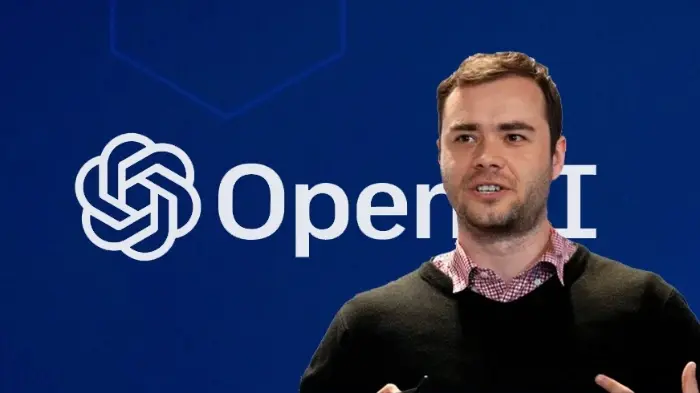
Andrej Karpathy, a founding member of OpenAI and former head of AI at Tesla, has joined Anthropic – one of OpenAI’s most direct rivals. His mission is to lead a team focused on accelerating pre-training by using Anthropic’s own model, Claude, to improve the training process for the next generation of Claude. This isn’t just a high-profile hire; it is a major strategic coup for Anthropic in the escalating war for elite AI talent.
🧠 The “Why”: 3 Key Reasons Behind Karpathy’s Move
1. The Ultimate Technical Challenge: Teaching AI to Build Its Own Successor
Karpathy is not joining to work on conventional research projects. His core mission at Anthropic is to work on the cutting-edge concept of recursive self-improvement – essentially, using an AI to help build an even more powerful version of itself. He is not just building a new model; he is building a system to teach Claude how to train its own successor.
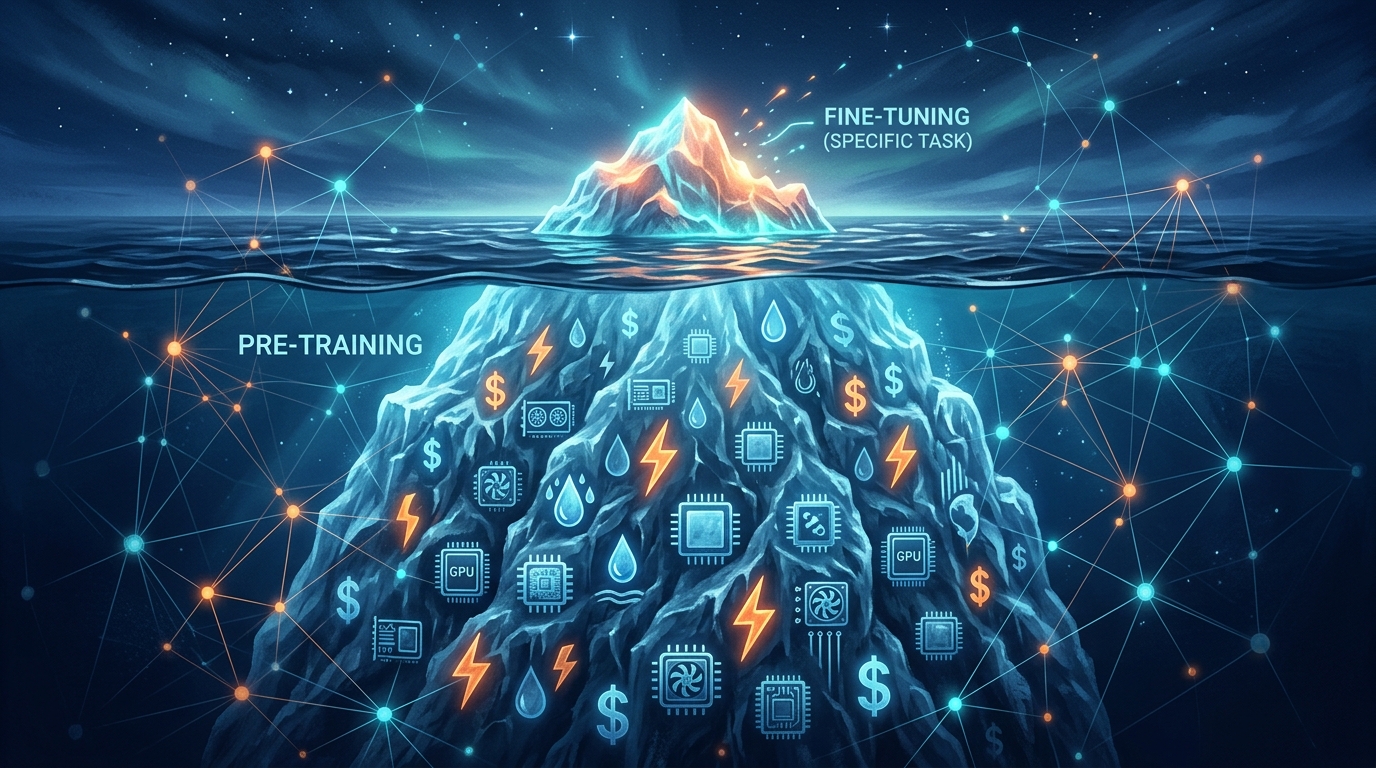
- The Frontier of Pre-Training: Pre-training is the most expensive, compute-intensive, and engineering-dependent part of building large language models (LLMs). It is the crucial step where a model acquires its foundational knowledge from massive datasets before any fine-tuning.
- Proven Acceleration is Already Here: The potential for this approach is staggering. Over the past year, Anthropic has reportedly achieved massive gains in training efficiency, with a key internal benchmark showing Claude’s ability to accelerate model training leaping from 2.9x to 52x, compared to human researchers who might take 4-8 hours to achieve a 4x speedup. Karpathy has been brought in to turbocharge this work.
2. The “Prove the Doubters Wrong” Factor: A Return to the Grind
Karpathy’s career includes stints as a founding researcher at OpenAI, the head of AI at Tesla, a brief return to OpenAI, and a subsequent departure to start his own AI education company, Eureka Labs. His decision to join a direct competitor on the frontline of research, rather than continue in a solo venture, is a clear message: the most important work is happening now, in the labs. He is signaling to the market that Anthropic has become the premier venue for frontier model development.
3. Strategic Momentum & Scale: Winning the Talent War
Anthropic is no longer just the “safety-conscious OpenAI spinoff.” With a pre-IPO valuation rapidly approaching 1 trillion (up from 380 billion in just a few months) and a revenue run rate that has grown to an estimated $30–45 billion in 2026, it has become a juggernaut. This meteoric rise has created a powerful gravitational pull for top talent. Reports show Anthropic’s employee retention rate is around 80%, while OpenAI is struggling to retain its top people at just 67%, and engineers are 8 times more likely to jump from OpenAI to Anthropic than the reverse. Karpathy joins a growing list of high-profile defectors from OpenAI, turning Anthropic into an “Avengers-level” threat in the AI race.
🔍 The Impact: What This Means for the AI Race
Karpathy’s move could reshape the hierarchy of the AI industry. The stakes are:
- Narrative Victory for Anthropic: The hire signals that Anthropic is now the premier destination for the world’s best AI researchers, challenging OpenAI’s status as the industry leader.
- Foundation for Exponential Growth: If Karpathy’s team succeeds, Anthropic could create a flywheel effect where its models recursively improve at a pace that competitors simply cannot match, leading to a fundamental shift in the speed of AI advancement.
- The “Ouroboros” Effect: The industry is moving toward a model where artificial intelligence is used to build the next generation of AI. Recursive self-improvement is a critical step toward Artificial General Intelligence (AGI), and Karpathy’s arrival places Anthropic at the center of that ambition.






Leave a Reply